
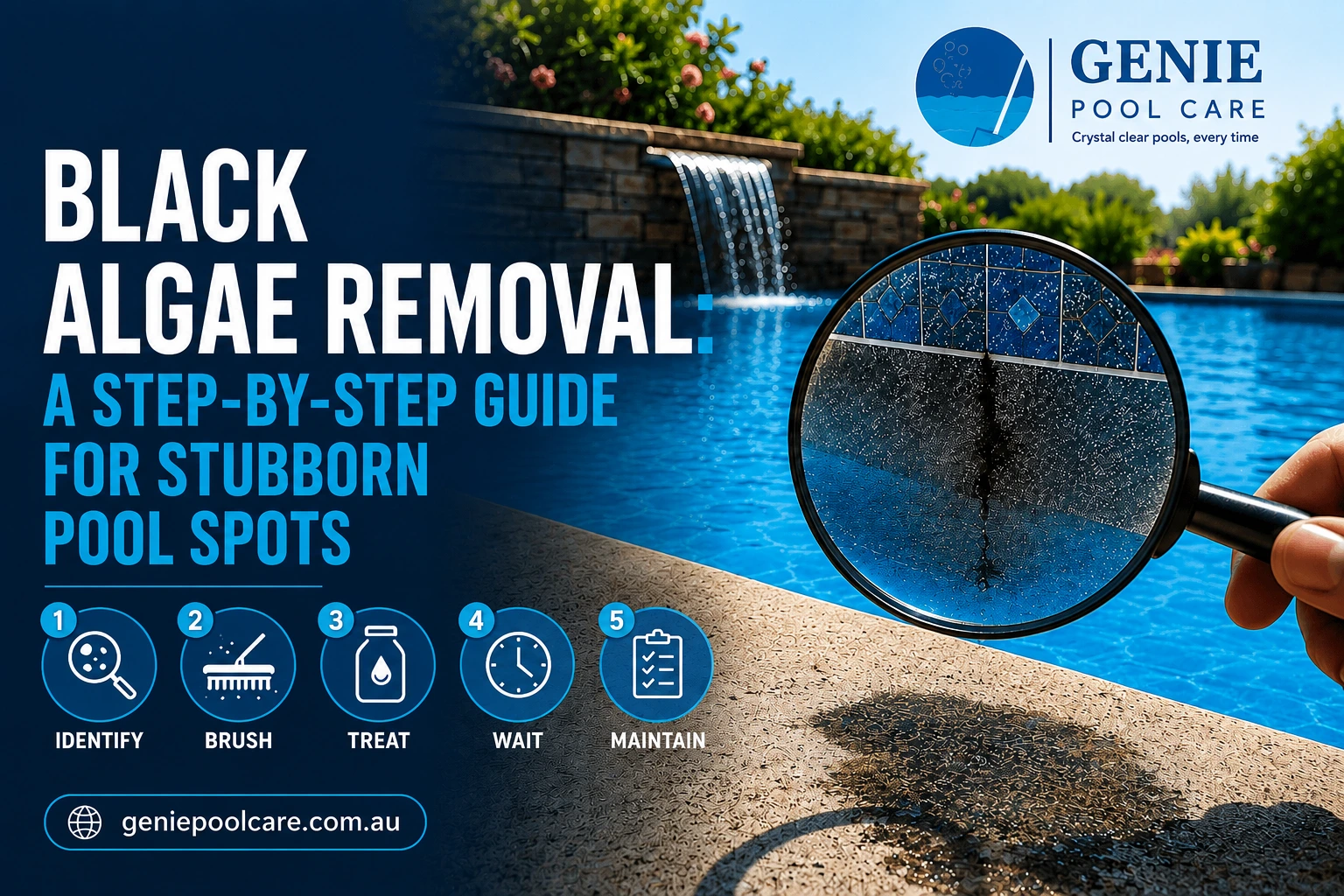
Black algae is one of the most frustrating problems that almost all pool owners face. The black algae also has tough and dark spots that attach stubbornly to the pool wall, floors, steps and corners unlike common green algae which typically floats in the water. These kinds of sporting activities can even render a gorgeous and maintained pool to appear dirty and abandoned. The black algae may multiply very fast without early measures which would make it difficult to eliminate.
We know that it can be tough to handle such a pool stain. In this comprehensive guide to pool cleaning, you will learn everything you need to know about removing black algae in Darwin. This includes how to identify the problem, how to eliminate it, and how to ensure it does not return.
It makes no difference whether you are managing a small home pool or a public pool. This blog will be your step by step guide that will assist you in returning your pool to its clean, healthy, glimmering condition and how to treat black algae in concrete pool.
What Is Black Algae in a Pool?
Black algae is a type of blue green algae that appears as a dark black, blue black or dark green spot on the surface of the pool. It is especially common in concrete, plaster and pebble pools because these surfaces are slightly porous. The black algae in the pool grows a bit slowly in the pool but then can grow without ever coming into notice.
This enables the roots of the algae to grow deep into small cracks and crevices. In contrast to surface algae, black algae form a protective coating on the outside that helps to protect against chlorine and other sanitising chemicals. This is one of the reasons why it is frequently difficult to eliminate it with regular pool shock treatment.
Common signs of black algae include:
- Small black or dark blue spots on pool walls
- Rough, raised texture when touched
- Spots that do not brush off easily
- Persistent stains in corners and steps
- Recurring patches after chemical treatment
Because of its deep roots and protective layers, black algae treatment requires more than just adding chlorine.
Also Read: How to Care for a Mineral Pool System (Magnesium Pools)
Why Black Algae Is So Hard to Remove
One of the main reasons black algae is so stubborn and hard to remove is its root like structure. The dark spot on the surface is only a part of the problem, not the main problem. Beneath the surface, the algae send roots deep into the plaster or concrete. This means if you only treat the visible spots, then the algae can regrow in a few days.
The thick layer of the outside of the algae works as a shield that protects the inner cells from chlorine. Without breaking this layer first the chemical cannot be able to kill the algae. This is why the correct black spot algae treatment always includes brushing, chemical treatment and repeated cleaning.
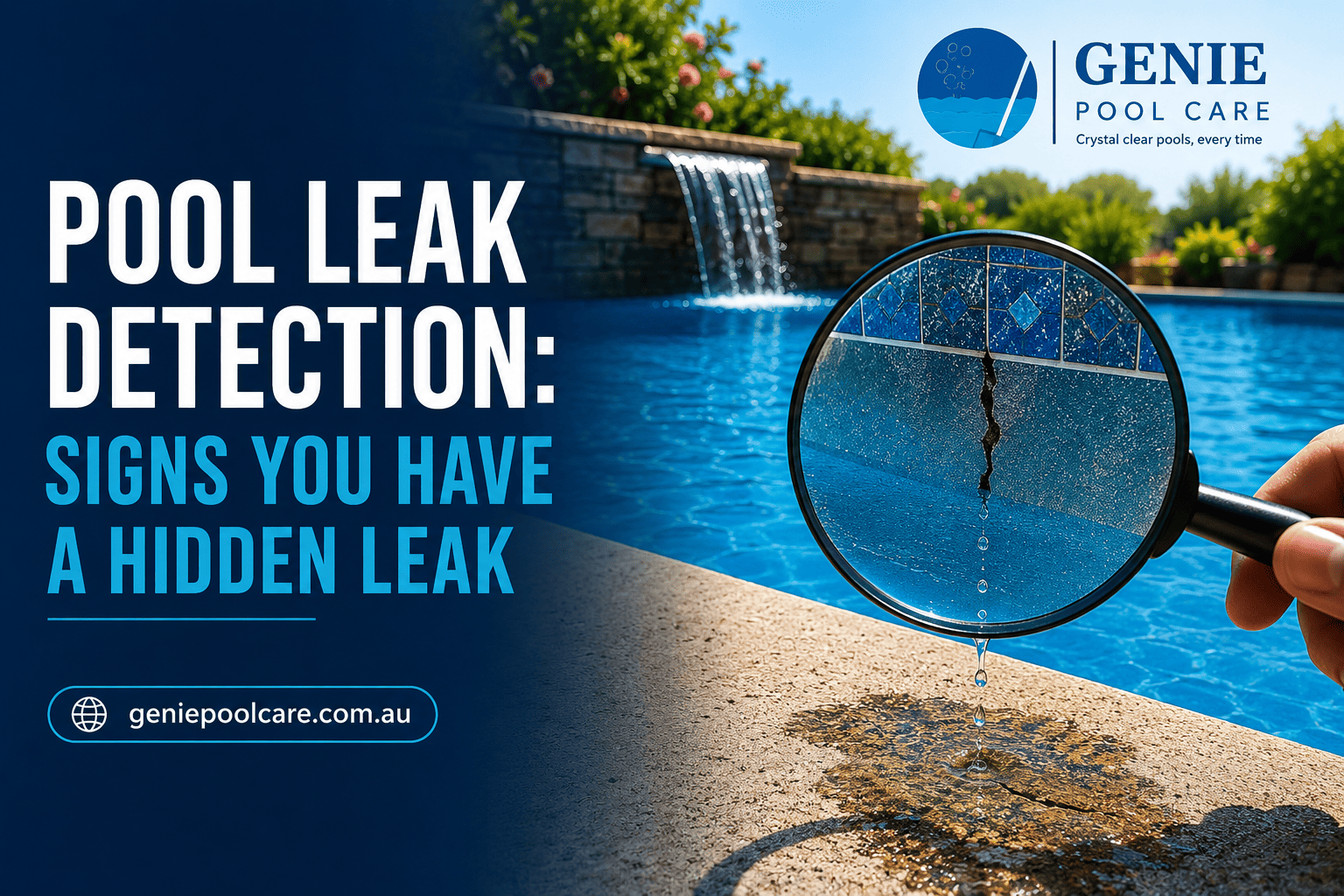
Read Also: Pool Leak Detection: Signs You Have a Hidden Leak
Causes of Black Algae Growth in the Pool
Getting rid of black algae which is difficult to eliminate takes a lot of constant, committed and time consuming efforts. Knowledge of the cause prevents subsequent outbreaks. Common causes include:
Poor chlorine levels
Inadequate sanitization allows black algae to develop in deep roots, as low chlorine allows spores to survive and multiply quickly in cracks and gaps.
Poor water circulation
Still water and dead spots in corners and deep ends lack chlorine coverage. This creates the perfect environment for black algae to settle and attach.
Infrequent brushing
Brushing removes the algae’s protective biofilm, exposing it to chlorine, neglecting this allows it to grow and strengthen, making black algae removal Darwin significantly more difficult.
Unbalanced pool chemistry
Sanitizers are weakened by high PH (exceeding 7.6) and high phosphates (feedstock of algae) which favor the growth of black algae especially on porous surfaces such as plaster or concrete.
Contaminated pool tools
Spores from other bodies of water or dirty tools can introduce black algae; failing to clean equipment spreads it throughout the pool.
Warm weather
The reproductive cycle of algae is quicker at higher temperatures of water and so the summer months are the most ideal times to have a fast bloom and growth of black algae.
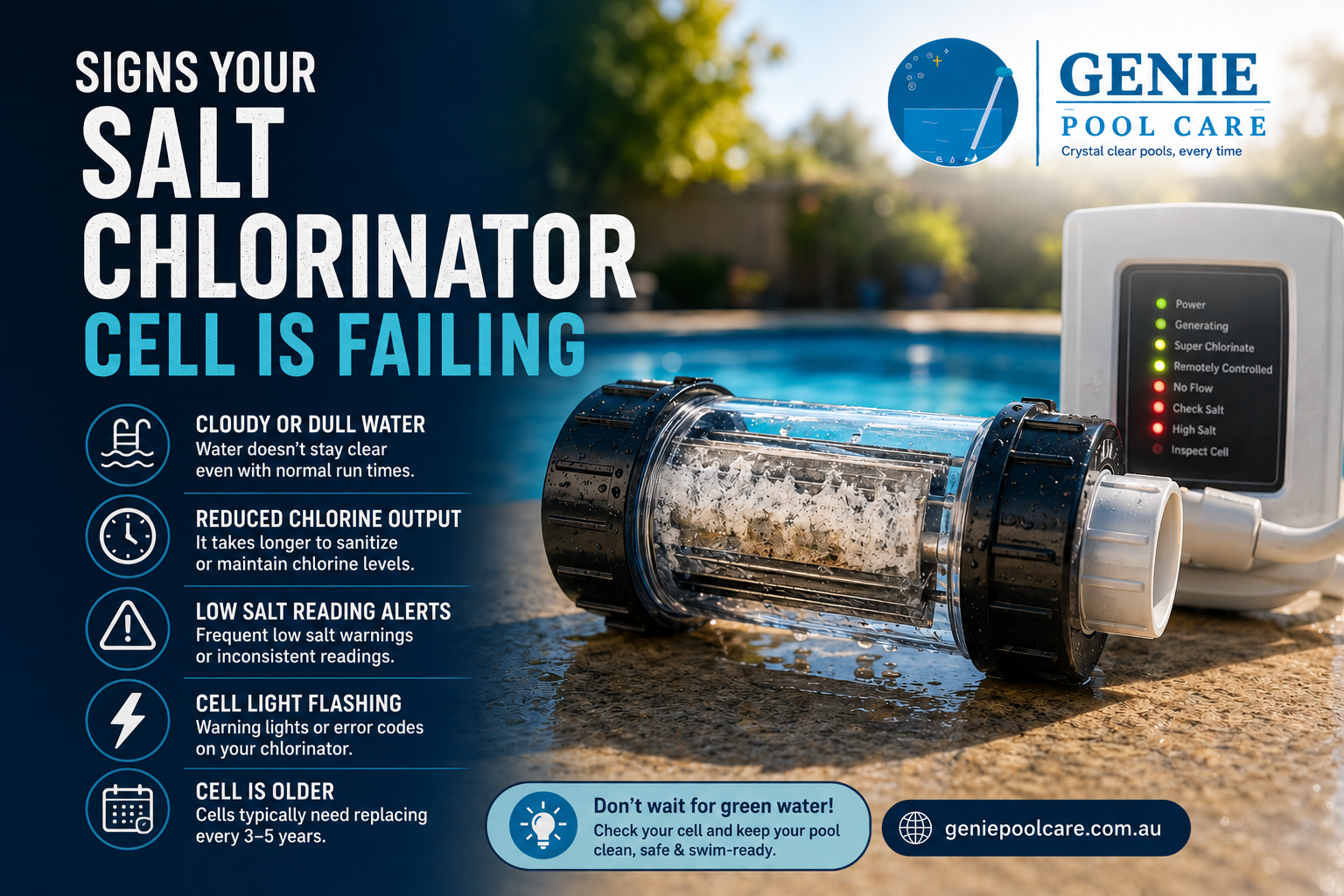
Learn more: Signs Your Salt Chlorinator Cell Is Failing
Best Pool Surfaces Prone to Black Algae
Black algae is more common in:
- Concrete pools
- Plaster pools
- Gunite pools
- Pebblecrete pools
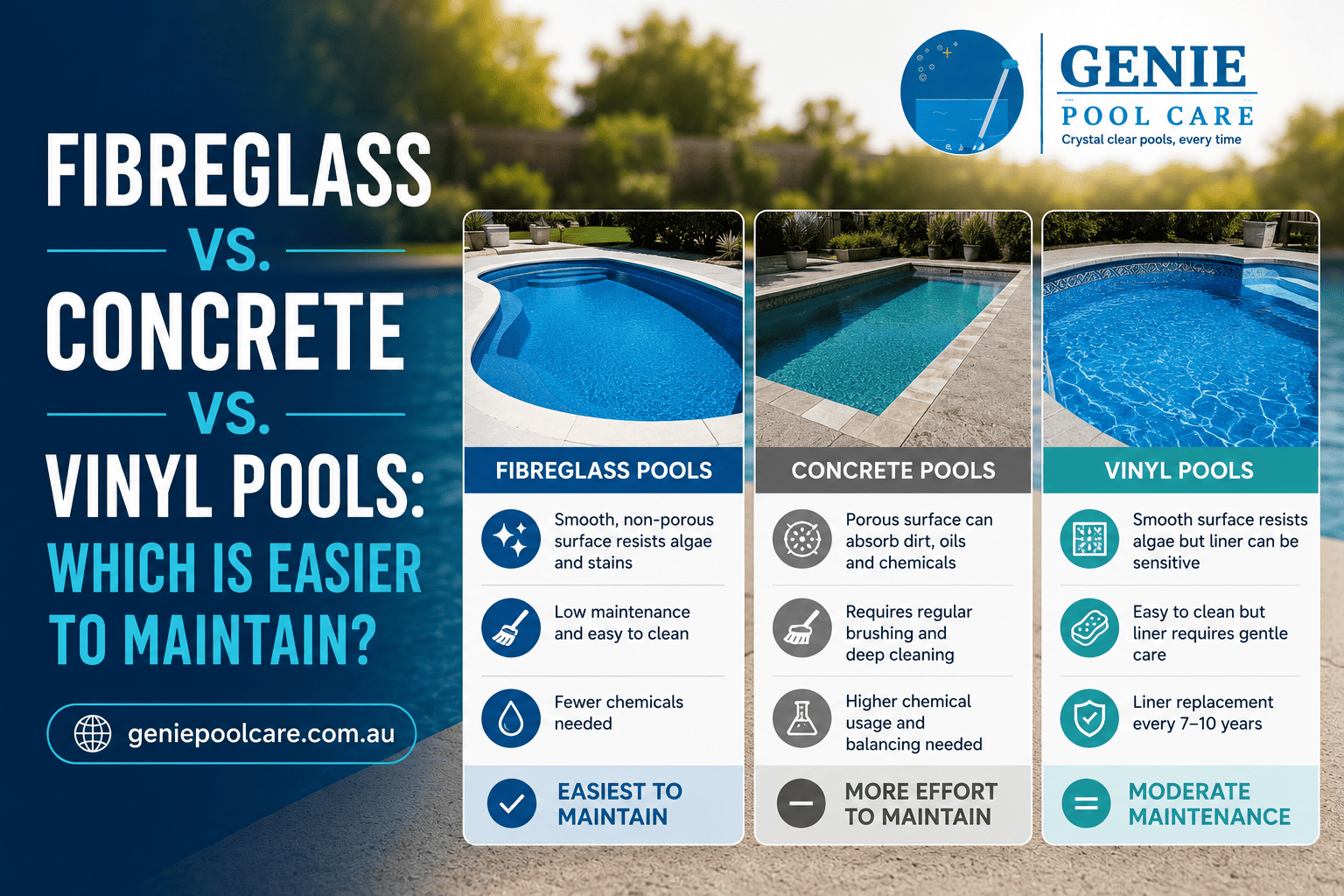
It is less common in fiberglass and vinyl pools. This is because rough surfaces give algae roots a place to attach.
Why Choose us for Black Algae Removal
At Genie Pool Cleaning, we specialise in professional pool cleaning and algae removal services. We help keep your pool clean, safe and crystal clear all year round.
Our experts provide:
- Complete pool inspection
- Water chemistry balancing
- Deep brushing and vacuuming
- Black algae treatment
- Preventive maintenance plans
Conclusion
It is a tedious, methodical process to black algae removal in Darwin, but with time and technique, it is possible to have a crystal clear pool. It can be done by following the steps given, vigorous brushing using a stainless steel brush, spot-treating using chlorine tablets and quadruple shocking. You can also use a special black algaecide to eliminate even the most stubborn spots.
Keep in mind that black algae has deep roots that cannot be removed only by cleaning the surface. The secret of success is to disrupt that protective shell so that chemicals can get inside to kill the spores. After it is eliminated, keep it away by keeping the constant pH and chlorine content, brushing and good circulation of water. The final protection against this intractable pool threat is regular maintenance, which keeps your pool a secure and welcoming place throughout the season. If you are also struggling with black algae then reach out to us. At Genie Pool Care, we have years of experience in handling issues like black algae. Hire our expert services and have a beautiful and safe pool year round.
FAQ
What is black algae in a pool?
Black algae is a stubborn cyanobacterium that appears as a small and black spot that grows on the pool surface, which is protected by a black and hard shield. Black algae can grow bacteria, which is not good for your health and you can even get sick after swimming in water.
How to remove black spot algae?
Scrub the spot with the stainless steel brush, shock heavily with chlorine, use a copper based algaecide and balance pool chemistry to remove black algae.
Why is black algae hard to remove?
Black algae is hard to remove because it has proactive and small outer layer and deep stubborn roots that anchor into porous pool surfaces. It resists normal chlorine levels, requiring intense scrubbing and specialised treatment to penetrate its shield and kill the entire root.
Can black algae damage pool walls?
Yes, black algae can damage pool walls. It roots deeply into plaster and concrete, creating permanent stains and roughening surfaces.
How to stop black algae from returning?
To stop black algae from returning, maintain 3 – 5 ppm chlorine, keep pH 7.4–7.6, brush weekly, use long-term algaecide and sanitize swimsuits/toys.