
There are many explanations why many people choose Magnesium Pools also known as MagnaPool. It makes your pool water soft, silky and mineral rich and also reduces yearly pool maintenance. Unlike conventional chlorine pools, where you consume most of your time nipping chemicals, rinsing filter cartridges and running your pool cleaner, Magnesium Pools’ strong hydroxinator, minerals and glass media do all the hard work for you.
There are some things you need to do to make your Magnapool work at its best. Some are simple care routines, while others are system-specific tasks. In this blog, we will provide you with proper guidance and steps on how to care for your MagnaPool. So let’s start the blog and read till the end to get full information.
How magnesium sanitizes your pool
Magnesium sanitizes pool water by mixing natural minerals with a technical electrolysis system to make a more beneficial and softer swimming environment. Instead of depending on high levels of harsh chlorine, magnesium based systems use magnesium chloride which passes through a salt cell to deliver low levels of natural chlorine, which is sufficient to destroy bacteria and algae. Also, magnesium works as a natural flocculant which means it ties together tiny dirt particles into larger clumps and allows your filter to catch debris more perfectly. This process reduces the demand for chemicals by around fifty per cent and resulting in water that is gentle on the skin, eyes and hair while delivering a soft feel. The minerals help stabilize chemistry and the water remains clear for longer and is less irritating than conventional saltwater or chlorine systems.
Top Tips to Look After Your MagnaPool.
Inspect your water chemistry
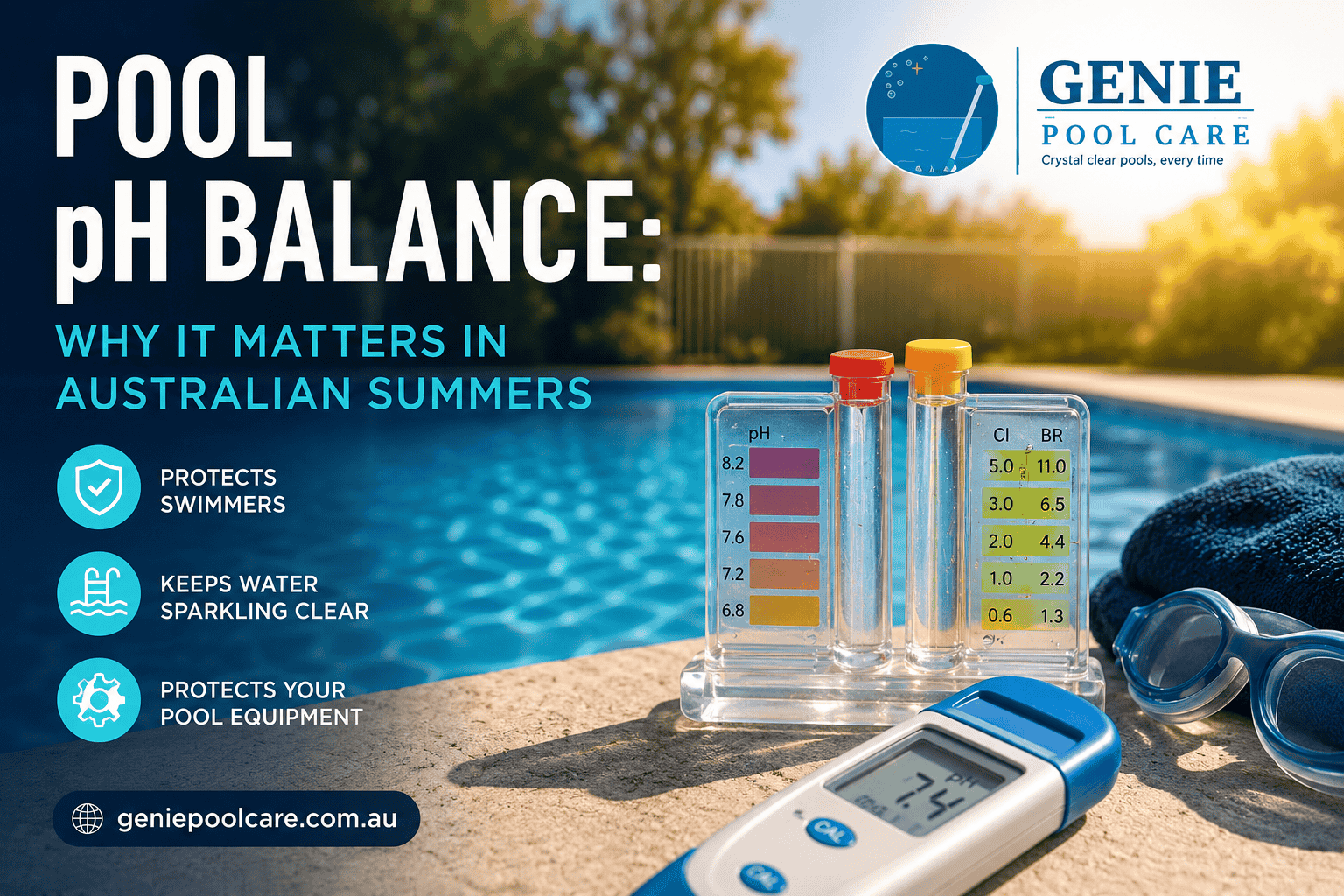
Maintaining a perfect water chemistry is an important part of pool care for all types of swimming pools, including Magnesium pools. Keep water chemistry between 7.4 and 7.6 and total alkalinity between 100 and 150 ppm.
Observe Mineral Levels
Observe magnesium levels every 2 to 4 weeks and add minerals if required. This makes the water feel soft and is useful for skin and muscles. Minerals can get lost through splashing, backwashing or heavy rain. Most modern systems have low mineral energy.
Clean and Circulate
Maintain your pool by keeping it clean and pushing to stop inactive water, algae and pests. Daily, skim drifting trash and brush the walls to break up hidden algae. Empty skimmer and pump baskets to keep a strong water flow. Run your pump for hours daily so all water passes through the filter to keep it safe.
Match Chlorine Decks
Having free chlorine between 1 and 3 ppm is crucial to destroy bacteria and algae and make sure your pool water is safe and clear. Testing and sustaining this degree stops dirty water and algae development. If you use a mineral sanitizer you can safely reduce chlorine to 0.5 ppm because the minerals help disinfect and make the water softer on the skin and eyes.
Monthly care
Clean minerals and salt cell
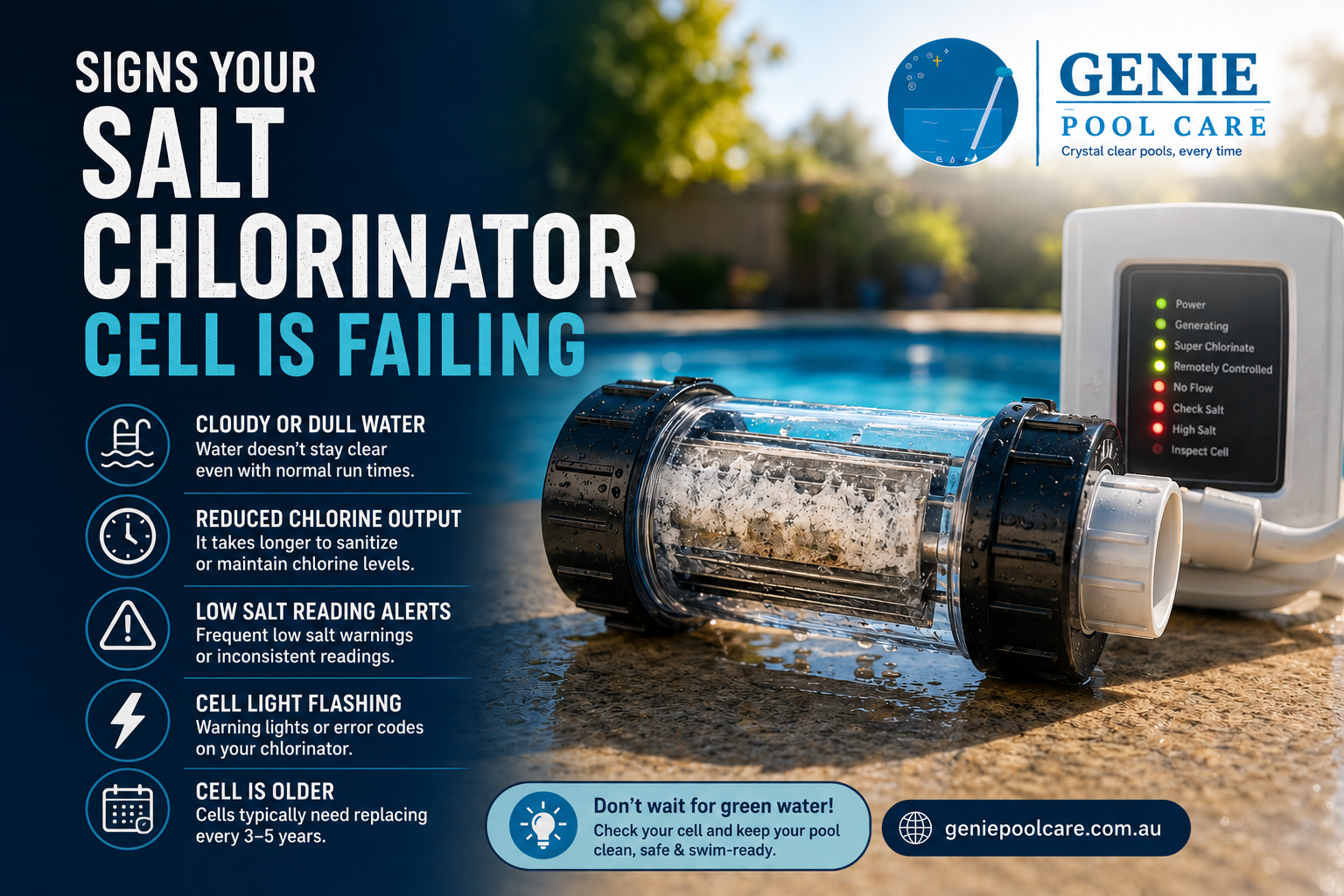
Every three months, inspect your salt cell to make sure there is no white and flaky calcium buildup. If it is unclean, turn off the pump, pull the cell and soak it in a combination of 5 parts water to 1 part muriatic acid. When bubbling stops, rinse entirely with a hose and reinstall it. Utilise a plastic tool to remove the stubborn remaining.
Examine Saltiness
Manually test salt or mineral decks monthly using a digital reader. Salinity is reasonably calculated using a refractometer, conductivity meter or hydrometer to define the concentration of dissolved salts.
Backwash Filter
Backwash the filter when the pressure is high, commonly every 2 to 4 weeks or when necessary. You do not need to do it for a long period of time as glass media is loosely packed and uses the entire depth of filtration media making it flow faster.
Shocking Method
Shock the pool after serious use or storms with the help of a non chlorine oxidizer or liquid chlorine to have transparency. If it is your first time shocking your magnesium or mineral pool make sure to use a regular chlorine shock product.
Key tips for Magnesium pool
- Do not over stabilize
- Make sure to stop the stains
- Always manage the water temperature
- Cover the pool with a pool cover
- Close the pool in the winter season
Why choose Genie Pool Care?
Expert diagnosis and care
Our expert team has years of training in Care for a Mineral Pool System and uses modern tools and methods to diagnose the issue and provide effective solutions to manage the health of your pool without making it a big hassle.
Reliable service
We make sure your pool stays clean and properly sanitized. Our team regularly manages your pool system, including magnesium pool care, to stop sudden breakdowns and manage optimal performance.
Transparent and clear pricing
We make sure you get all the details about what to expect and what to pay for. Whether it is a small fix or a major repair, we provide clear recommendations and clear pricing so there are no surprises.
Safe and Eco Friendly approach
We use eco friendly products and cleaning techniques to keep the proper balance of chemicals in the pool and provide a complete solution to the leakage. This makes sure your pool remains safe for your family, pets and the environment.
Conclusion
Maintaining a mineral pool is easier than traditional pools. It provides soft and skin friendly water to you. Magnesium works as a natural flocculant which means it ties together tiny dirt particles into larger clumps and allows your filter to catch debris more perfectly. However, just because it is low maintenance does not mean it requires no maintenance. With the help of the steps given above you can easily care for your mineral pool. At Genie Pool Care, we concentrate solely on tailored, eco-friendly and low maintenance magnesium solutions. We do more than just cleaning or installing a pool. Our team uses modern Magnesium tools, ensuring to provide you with a cleaner, softer and skin friendly pool. Book our pool cleaning services today and enjoy comfortable and safe swimming.
FAQS
How do you maintain a magnesium pool?
- Inspect your water chemistry
- Observe Mineral Levels
- Clean and circulate
- Match Chlorine Decks
- Backwash Filter
- Shocking method
How often should I test magnesium levels?
You should test your magnesium levels every 2 to 4 weeks.
Can I convert my existing chlorine or salt pool into a magnesium pool?
You can convert your existing chlorine or salt pool into a magnesium pool.
Are magnesium pools safe for kids and pets?
Magnesium water is soft on the skin and eyes and good for children and pets.
Do magnesium pools still need salt?
Even the magnesium pool needs salt to keep working.